
Six things I’ve learned moving from fundraising to grant-making
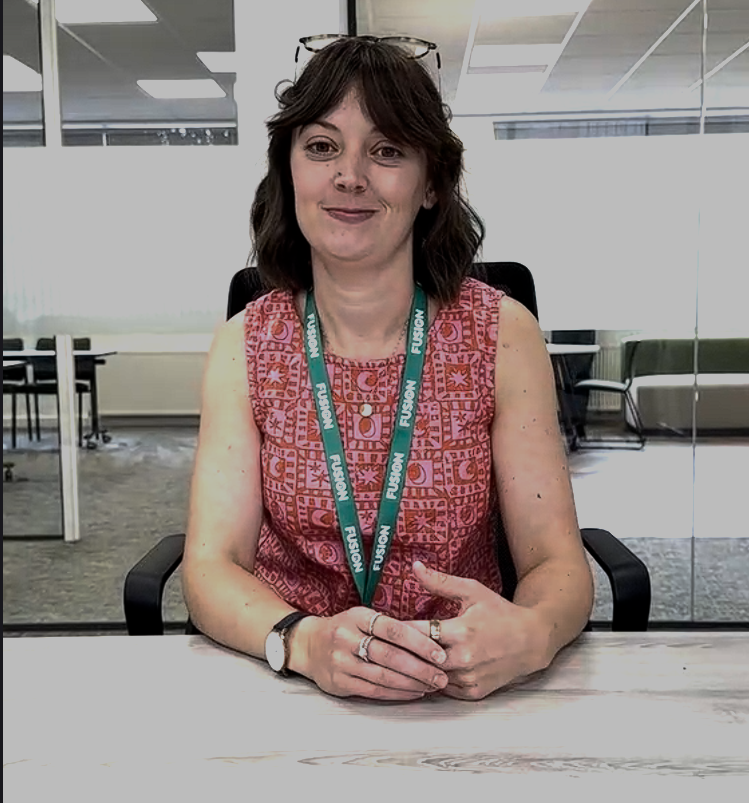 Emily Barr, Grants Manager

Six months ago, I moved from fundraising into grant-making, joining the Fusion21 Foundation as Grants Manager. Since then, I've met inspiring organisations, explored new partnerships and gained new perspectives on how funders can support stronger communities.
One thing has become clear: effective grant-making is about far more than awarding funding. It is about trust, transparency, learning, organisational resilience and creating the conditions for long-term impact. Here are six lessons I have learned so far about relationship-based funding, community investment and what good grant-making can look like in practice.
1. The power imbalance between funders and grantees is real. Having spent years in fundraising, I’m very familiar with the power dynamics that exist between funders and grantees.
Every funding decision has implications for organisations and communities. Even small choices, such as how we ask for information or conduct monitoring conversations, can influence how comfortable grantees feel sharing challenges and learning.
Good grant-making requires funders to recognise that imbalance and respond to it thoughtfully. That means being transparent about decisions, creating space for honest conversations when things do not go to plan, and using influence responsibly. It can also mean helping beyond the grant itself by making introductions, opening doors and connecting organisations to wider opportunities.
For me, relationship-based funding isn't simply about being approachable. It's about recognising where power sits and doing what we can to use it responsibly.
2. Good grant-making means more than awarding grants
One of the clearest lessons from my first six months is that funders can add value in many ways beyond writing a cheque.
Some of the most useful conversations I've had in the last six months haven't focused on applications or budgets. They have focused on shaping ideas, connecting organisations with potential partners, sharing learning from across the portfolio and exploring opportunities for collaboration.
But what has struck me most is how much funders can learn from the organisations they support.
Earlier this year, our team spent a day with NAVCA, one of our grantees, discussing local government reorganisation, community cohesion, local infrastructure organisations and the wider policy landscape facing the voluntary, community and social enterprise (VCSE) sector.
Charities and community organisations often have the deepest understanding of emerging challenges, policy changes and community needs. The knowledge held by grantees is one of the most valuable assets in any funding relationship, and the more we create opportunities to listen and learn, the better equipped we are to make informed decisions.
The more funders create opportunities to listen and learn, the better equipped they are to make informed decisions.
3. Strong projects need strong organisational foundations
As funders, it's natural to focus on projects, activities and outcomes. But I'm increasingly interested in what makes those projects successful in the first place.
Across our portfolio, organisations are navigating rising demand, financial pressures and an increasingly complex operating environment. Through projects like Community Catalyst, I've been reminded that leadership, governance, financial resilience and strategic clarity all play a critical role in delivering impact.
This is not a new idea, but seeing it from the funder’s perspective has sharpened my thinking about risk, sustainability and what meaningful support really looks like.
Even within a project-funding model, there are practical ways funders can support resilience. That includes encouraging organisations to include the full cost of delivery, including management and back-office functions, and being open to longer-term projects that give ideas time to develop, adapt and embed.
Project funding will not solve every organisational challenge, but it can be designed to be more realistic, relational and supportive.
4. Impact depends on more than individual organisations
Before joining the Foundation, I worked for an infrastructure organisation, so I've long understood the value of this part of the sector. What I've therefore found myself asking over the last six months is not whether infrastructure matters, but how funders can support it effectively.
Infrastructure organisations help strengthen local networks, amplify community voices and support collaboration. Their impact can be indirect, long term and hard to measure, which means funders need to think carefully about how they recognise and support this work.
One of the most interesting conversations I've had recently has been with a local infrastructure organisation exploring how communities can have greater influence in local decision-making. The work isn't about delivering a single service. It's about creating the conditions for local people and community organisations to be heard, connected and able to influence the decisions that affect them.
Those conversations have prompted me to think differently about how funders support the conditions that enable impact, not just the delivery of services themselves.
5. Measuring impact across a diverse funding portfolio is difficult
Our portfolio spans a wide range of issues, organisations and approaches. We support projects and research focused on health and wellbeing, employment and skills, financial resilience and community voice.
That creates an important challenge for funders: how do you measure impact across a diverse funding portfolio without creating unnecessary reporting burdens for grantees?
The question is not whether impact should be measured. It is how to develop a meaningful picture of shared outcomes, themes and learning when each project has a different route to impact and a different way of defining success.
I do not have the answer yet, but it is one of the most interesting questions I have encountered since joining the Foundation. It is also one I am keen to keep exploring with others working in grant-making and social value.
6. Communities are often closest to the solution
One of the most encouraging themes I've seen across the portfolio is the role that lived experience can play in shaping solutions.
Through projects such as Citizen First, which generated more than £10 in social value for every £1 invested, we've seen clear evidence that people with lived experience are not simply beneficiaries, participants or consultees. Given the right support, they can also be innovators, entrepreneurs and leaders.
This feels particularly relevant at a time when many organisations are thinking about participation, co-production and resident voice.
The strongest examples I've seen move beyond asking communities for their views and instead enable people to develop ideas, shape decisions and lead change directly.
For funders, that's an important distinction, and one we need to encourage through our processes.
Looking ahead: more generous and collaborative grant-making
My first six months have reinforced many things I already believed about funding, while also challenging me to think differently about how those principles are applied in practice.
If there is one lesson I will carry forward, it’s the value of generosity; of time, connections, knowledge and the influence we hold.
Funding will always matter, but the way funders show up alongside organisations matters too. More collaborative, thoughtful and transparent partnerships are more likely to create stronger communities and deliver lasting impact.
Find out more about the Fusion21 Foundation
Learn more about the Fusion21 Foundation, its funding priorities and the projects it supports on the Foundation webpages, or contact the team. Fusion21 would love to hear from our members who share our ambition to create stronger, more resilient communities
Frequently asked questions about effective grant-making
What is relationship-based funding?
Relationship-based funding is an approach built on trust, transparency and open communication between a funder and the organisations it supports. It recognises power imbalances and encourages honest discussion about progress, challenges and learning.
How can funders support charities beyond providing money?
Funders can add value by sharing knowledge, making introductions, connecting organisations with partners, helping ideas develop and creating opportunities for peer learning and collaboration.
Why does organisational resilience matter in grant-making?
Projects are more likely to succeed when the organisation delivering them has strong leadership, governance, financial management and strategic clarity. Funding the full cost of delivery and allowing enough time for work to develop can support that resilience.
How can funders measure portfolio-level impact?
Funders can look for shared outcomes, themes and learning across different grants while allowing projects to use measures suited to their own work. The aim should be meaningful insight without unnecessary reporting burdens.
Why is lived experience important in community funding?
People closest to a challenge often understand it best. When communities have the support and authority to develop ideas, shape decisions and lead delivery, they can create more relevant and sustainable solutions.